
Flights from Reno (RNO) to Mexico City (MEX) from USD258
The Lowest Fares from Reno to Mexico City
Book our lowest prices from Reno to Mexico City

Flights from Reno to Mexico City: gateway to Mexico's cultural heart
Reno sits at the foot of the Sierra Nevada, known for its casinos and proximity to Lake Tahoe, while Mexico City pulses with over 21 million residents across one of the world's largest metropolitan areas. If you're ready to trade mountain air for ancient pyramids and world-class museums, flights from Reno to Mexico City with Volaris connect you to a capital where pre-Hispanic history meets contemporary art and exceptional cuisine.
Mexico City offers an experience unlike any other North American destination.The city's elevation gives it mild temperatures year-round, and its culinary scene rivals any global capital. The connection between these two cities opens doors to one of Latin America's most dynamic destinations, where you can explore world-renowned museums in the morning and enjoy street tacos in charming neighborhoods by evening.
Your journey begins at Reno-Tahoe International Airport, located approximately three miles southeast of downtown Reno.
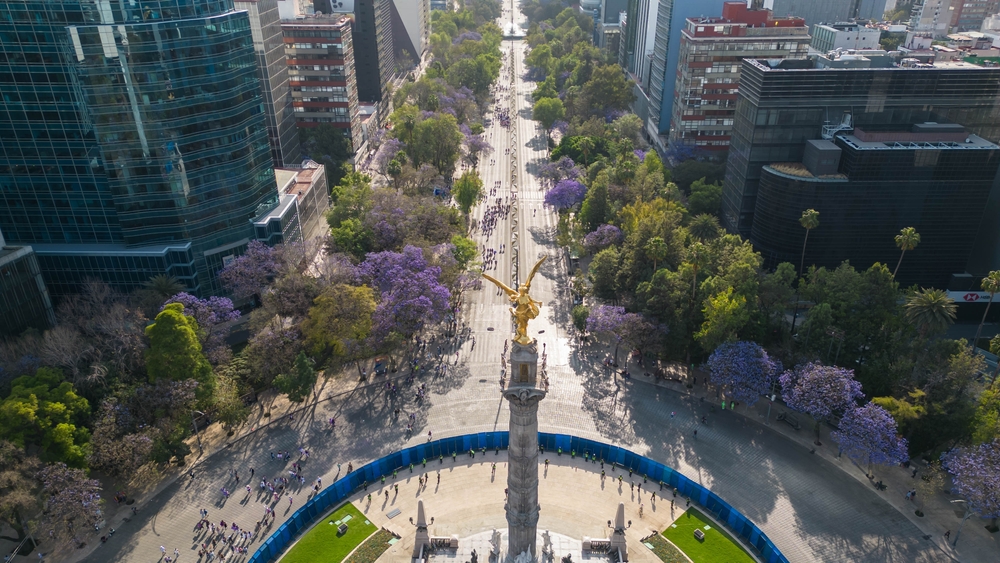
Before your flight from RNO
- Documentation: U.S. citizens need a valid passport for international travel to Mexico. You'll receive a tourist card (FMM) upon arrival, which must be returned when departing Mexico. Keep this document safe throughout your trip.
- Check-in and boarding: Volaris recommends online check-in 72 hours before departure. This saves time at the airport and lets you select seats if you've purchased that option. Arrive at least two hours before your international flight.
- Baggage: Review Volaris baggage policies before packing. Your base fare includes one personal item that fits under the seat. Checked bags and carry-on luggage can be added during booking or check-in for additional fees.
- Before your flight: The Reno airport offers dining options and shops in both concourses. Free WiFi is available throughout the terminal. Security wait times are typically manageable, but peak travel periods may require extra time.
- Weather in Mexico City: Mexico City stays mild most of the year, but temperatures can swing within the same day—cool mornings and evenings, warmer midday. If you’re traveling between June and September, expect afternoon rain, so pack a light jacket and a compact umbrella.
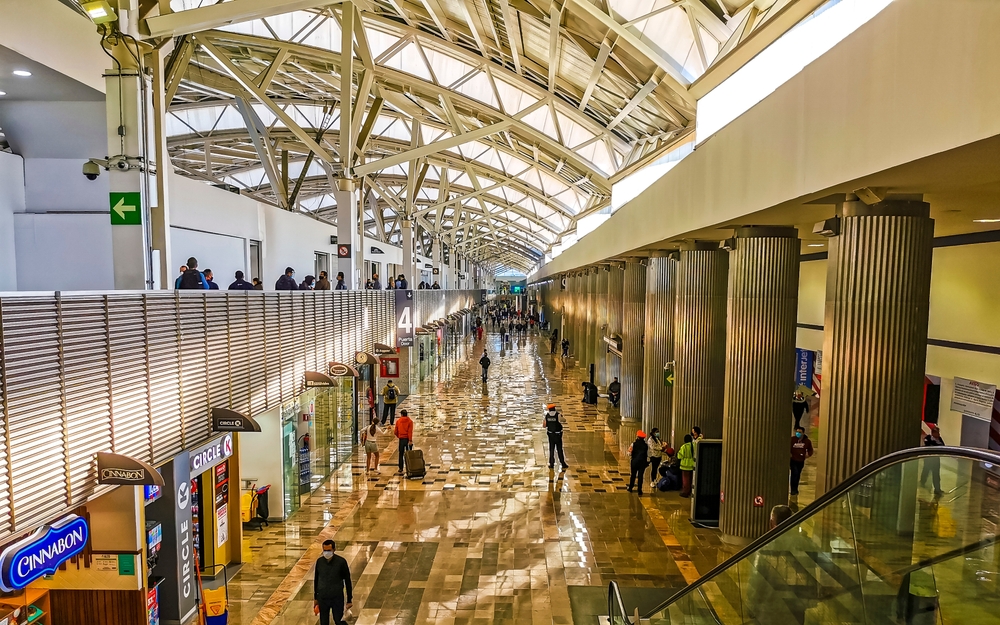
Arrival and transportation
Your flight lands at Mexico City International Airport, officially named Benito Juárez International Airport (MEX), located approximately five kilometers east of the city center.
Transportation from the airport includes authorized taxi services available at designated stands inside the terminal. Ride-sharing apps provide convenient alternatives with transparent pricing. For budget-conscious travelers, the Metro connects directly to Terminal 1, offering an economical route into the city.
Accommodation options span the entire city, with popular areas including Polanco for upscale stays, Roma and Condesa for boutique hotels and walkable neighborhoods, and Centro Histórico for proximity to major historical sites. Each zone offers distinct character and access to different attractions.
Mexico City's food scene welcomes you immediately. Tacos al pastor, tortas, and fresh juices are available at street stands throughout the city. The capital's culinary reputation extends from casual eateries to internationally recognized restaurants, giving you endless options to explore authentic Mexican flavors.
Mexico City spreads across a vast valley, offering neighborhoods with distinct personalities and attractions that could fill weeks of exploration. The city's rich history layers Aztec foundations with Spanish colonial architecture and modern urban design.
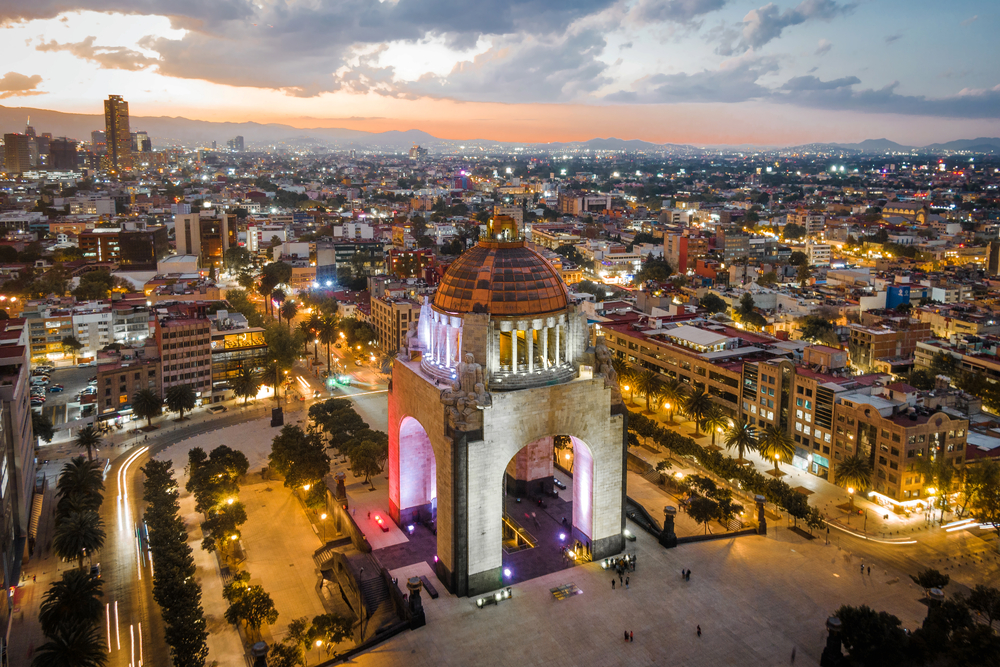
Zócalo and Centro Histórico
The heart of Mexico City centers on the Zócalo, one of the world's largest public squares. The Metropolitan Cathedral dominates the plaza's north side, while the National Palace houses Diego Rivera's famous murals depicting Mexican history. Underground, Templo Mayor reveals Aztec ruins that predate Spanish colonization.
Chapultepec park and castle
This massive urban park functions as the city's green lung, offering museums, lakes, and walking paths. Chapultepec Castle sits atop a hill with panoramic city views and houses the National Museum of History. The park also contains the world-renowned National Museum of Anthropology.
Roma and Condesa neighborhoods
These adjacent colonias feature tree-lined streets, Art Nouveau and Art Deco architecture, and countless cafes and restaurants. Roma Norte attracts artists and designers, while Condesa's circular parks and relaxed atmosphere make it perfect for afternoon strolls and people-watching.
Coyoacán's colonial charm
Frida Kahlo's Blue House anchors this southern neighborhood known for cobblestone streets and weekend markets. The area maintains a village feel despite being part of the metropolis, with plazas where locals gather and artisan vendors sell crafts.
Xochimilco's floating gardens
Ancient canals wind through this southern district where colorful trajineras (boats) carry visitors past chinampas (floating gardens). Mariachi bands float alongside, and vendors sell food and drinks from boat to boat, creating a festive atmosphere unique to Mexico City.
Mexico City rewards both structured planning and spontaneous exploration. This three-day framework balances major attractions with neighborhood discovery, giving you flexibility to adjust based on your interests.
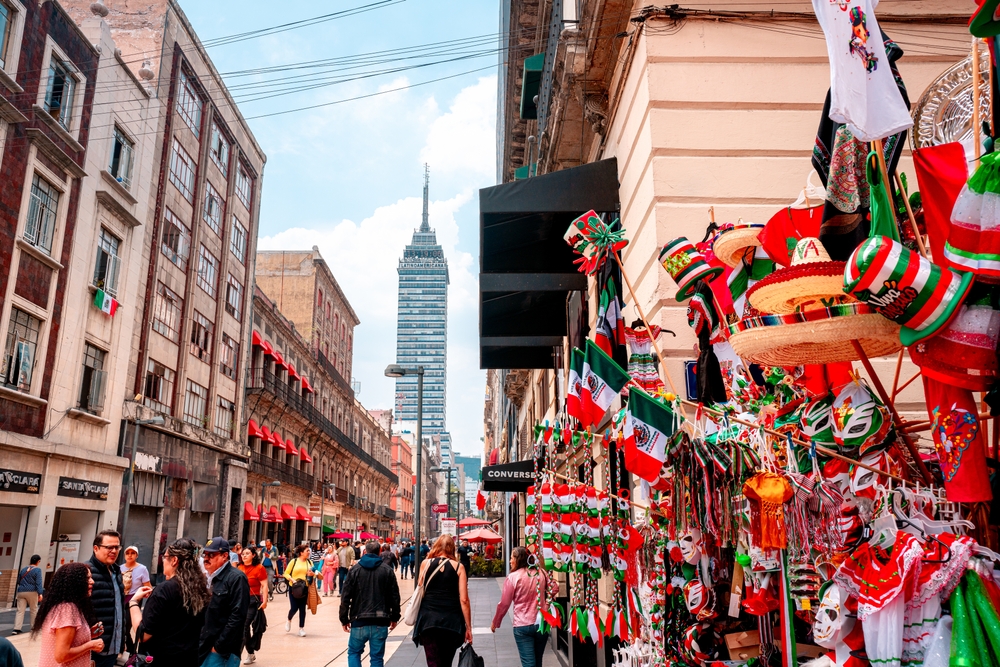
Day 1: Historic center immersion
- Walk the Zócalo and visit the Metropolitan Cathedral to understand the city's colonial foundations.
- Explore Templo Mayor archaeological site and museum to see pre-Hispanic Aztec structures.
- Stroll down Madero Street for shopping and architecture, ending at Palacio de Bellas Artes.
Day 2: Art and green spaces
- Spend the morning at the National Museum of Anthropology learning about Mexico's indigenous cultures.
- Walk through Chapultepec Park and visit the castle for history and city views.
- Explore Polanco's upscale shops and restaurants in the evening.
Day 3: Neighborhood character
- Take a morning trip to Teotihuacán pyramids (about one hour from the city center).
- Return to explore Coyoacán's markets and colonial architecture.
- End with dinner in Roma Norte, sampling the neighborhood's diverse restaurant scene.
- Download offline maps before your trip, as cellular data can be inconsistent in some areas. Apps for ride-sharing work well in Mexico City and offer safer alternatives to street taxis.
- Exchange currency at banks or ATMs rather than airport kiosks for better rates. Many establishments accept cards, but cash remains essential for street food, markets, and small vendors.
- The city's altitude (7,350 feet) affects some visitors. Take it easy your first day, stay hydrated, and avoid excessive alcohol until you acclimate to the elevation.
- Museum visits work best on weekdays when crowds are lighter. Many museums close Mondays, so plan accordingly. Purchase tickets online when possible to skip lines at popular attractions.
- Volaris offers various add-ons during booking. Consider your needs for checked bags, seat selection, and priority boarding. Adding these services during initial booking typically costs less than purchasing at the airport.